
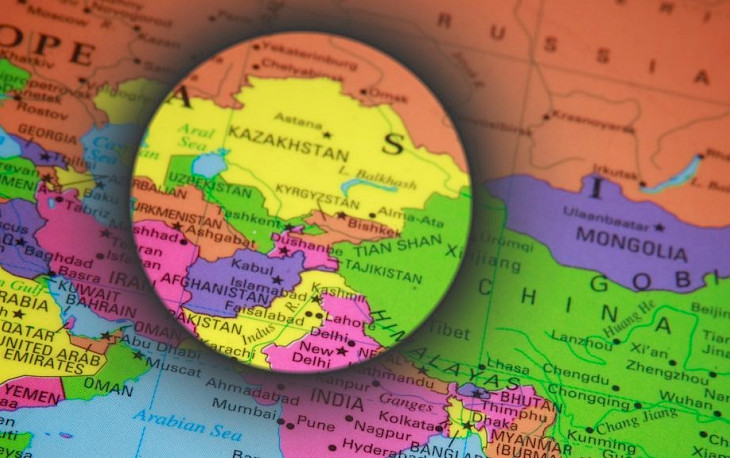
Economic growth in countries across Europe and Central Asia will slow significantly against the backdrop of the Middle East conflict, geopolitical tensions, and fragmentation of trade ties, according to a regional economic outlook published by the World Bank.
Growth in the region is expected to decline to 2.1% in 2026. Russia's growth is projected to slow to 0.8%, while other economies in the region are likely to see growth rates drop to 2.9%. This slowdown is driven by surging energy prices, which constrain consumer spending, as well as uncertainty negatively affecting investment activity.
"The region's resilience continues to be tested, as several countries depend on imports of natural gas, oil, and fertilizers," said Antonella Bassani, World Bank Vice President for Europe and Central Asia. She noted that many countries will need to make efforts to overcome the crisis, with particular attention to targeted measures protecting the most vulnerable populations. According to Bassani, continuing policy reforms aimed at ensuring sustainable growth and job creation will help mitigate the crisis and strengthen economic resilience.
Growth in Central Asia is expected to slow to an average of 4.9% in 2026–2027 as oil production in Kazakhstan stabilizes. In Central Europe, growth is likely to reach about 2.4% in 2026 before slowing to 2.3% in 2027, with declining consumption partially offset by EU-funded public investment.
The World Bank projects that economic growth in the Western Balkans will average 3.1% in the coming years, supported by infrastructure investment and strong services exports. Ukraine's economic growth is expected to slow to 1.2% this year due to ongoing hostilities, rising energy costs, and fiscal challenges.
The Middle East conflict remains a key risk factor that could restrict global supplies of energy and fertilizers, potentially driving significant increases in energy and food prices and further slowing regional development.
The slowdown in labor productivity growth across Europe and Central Asia over the past decade has prompted some policymakers to complement reforms with industrial policy tools targeting specific sectors, industries, or companies. Experts note that the region needs measures that strengthen future competitiveness. Currently, nearly two-thirds of all industrial policy measures focus on agriculture and food production, while only 10% target high-tech industries or capital goods.
"To ensure more dynamic growth in labor productivity and job creation, countries could prioritize bold policy reforms aimed at modernizing the business environment, stimulating entrepreneurship, and improving education quality," said World Bank representative Ivaylo Izvorski.
According to experts, industrial policy should support new and dynamically developing companies and private-sector ideas rather than protecting incumbent players, including state-owned enterprises, and should strengthen rather than undermine competition.
CentralasianLIGHT.org
April 9, 2026