
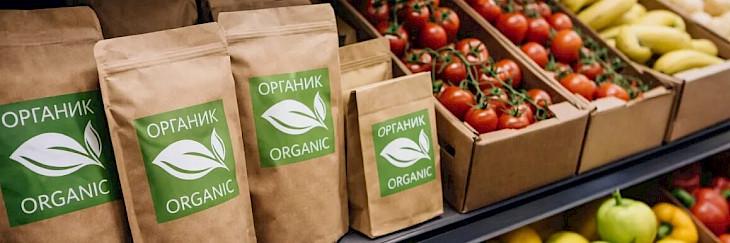
According to the Kyrgyz Ministry of Agriculture, Water, and Agriculture, the area of land used for organic agricultural production in Kyrgyzstan reached 101,358 hectares by June 30, 2026, nearly doubling from the beginning of the year (61,500 hectares), 24.kg reported.
This positive trend is due to the development of the Producer Guarantee System (PGS), which allows small farms to reduce certification costs, as well as the implementation of the Organic Production Development Program for 2025–2029 (target: 200,000 hectares).
Infrastructure is also expanding: the Talas Organic agro-complex (300 hectares), certified according to international standards, opened in the Talas region and has begun exporting organic potatoes to Kazakhstan. Today, products from the Kyrgyz Republic are exported to more than 30 countries worldwide, and institutional support for the sector was strengthened by Presidential Decree No. 40 of February 11, 2026, establishing National Organic Agriculture Day.
Kyrgyzstan is steadily establishing itself as a flagship of organic farming in Central Asia. Unlike neighboring countries, where the agricultural sector is focused on large-scale raw material exports, Bishkek has focused on high added value and an ecological niche.
A comparison with its regional neighbors highlights the differences in models:
Kazakhstan: Leads in absolute area of certified organic land in Central Asia (primarily due to large-scale grain and oilseed crops in the northern regions); however, its organic sector is represented by large agroholdings oriented toward the EU market.
Uzbekistan and Tajikistan: Focus on organic cotton and horticulture, but the high cost of individual international certification hinders the mass conversion of small farms.
The implementation of the PGS system in Kyrgyzstan and the institutionalization of a unified organic product standard among Central Asian states make it possible to bypass certification barriers for small farmers. Talas Organic's experience demonstrates the transformation of the sector: organic production is moving from niche farming to the creation of full-fledged clusters capable of supplying the domestic EAEU market and strengthening the region's position in global organic markets.
CentralasianLIGHT.org
October 6, 2026