
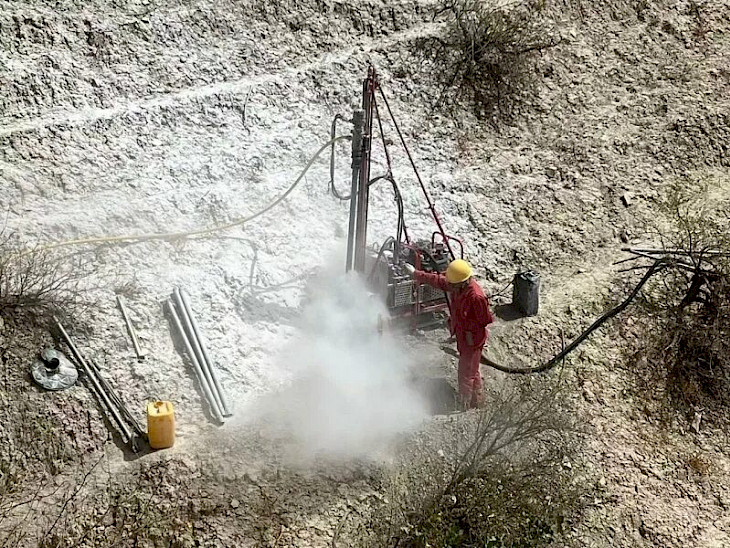
Tajikistan plans to begin drilling the first ultra-deep exploration well in the Bokhtar oil and gas block in early 2027. The project is being implemented jointly with China's CNPC under a production-sharing agreement, Asiaplus.tj reported.
A geological assessment of prospective reserves and processing of seismic survey results are currently being completed. In 2024, CNPC conducted magnetic and gravity surveys over an area of 15,400 square kilometers, and in 2025, a 2D seismic survey covering 1,017 kilometers.
The future well could reach a depth of 7,000 meters. The primary exploration targets are ultra-deep subsalt structures. However, the presence of large oil and gas reserves has not yet been confirmed and can only be determined after drilling.
The Bokhtar project could be an important step for Tajikistan, which currently has limited domestic hydrocarbon production and faces a shortage of investment and modern technology. CNPC's participation lowers the technological and financial barriers to complex geological exploration while simultaneously strengthening China's presence in the country's energy sector.
By comparison, neighboring Kyrgyzstan also remains dependent on fuel imports and has a small oil and gas base, but its energy strategy is more focused on hydropower. Therefore, the potential discovery of large deposits would allow Tajikistan to diversify its energy mix and reduce its dependence on external supplies. However, ultra-deep drilling is associated with high costs and significant geological risks.
CentralasianLIGHT.org
August 10, 2026