
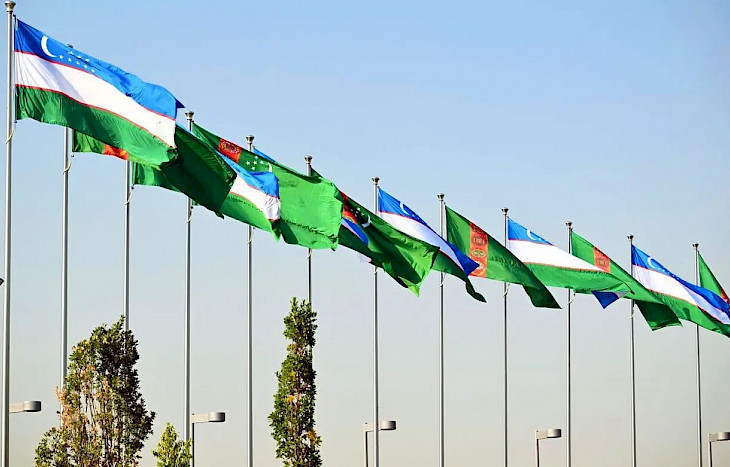
Economic cooperation between Uzbekistan and Turkmenistan has entered a stage of stable and structured partnership. The two countries have moved beyond isolated projects, shifting their focus to industrial cooperation, trade expansion, and predictable investment mechanisms. This progress is supported by regular intergovernmental dialogue and joint infrastructure initiatives, Orient.tm reports.
A key milestone was the Intergovernmental Commission meeting in July 2025, which reaffirmed the commitment to deepening cooperation. The foundation for sustainable growth rests on bilateral agreements in trade and economic partnership, investment protection, and the avoidance of double taxation — all of which provide transparency and security for businesses.
The results are clear: bilateral trade has increased more than fivefold, from $209 million in 2016 to $1.148 billion in 2024. Imports of Uzbek goods to Turkmenistan are also rising, reflecting deeper cooperation and a more sophisticated trade structure.
A major boost came from the launch of the Shavat–Dashoguz border trade zone, which reduces business costs, accelerates delivery times, and creates a new hub of economic activity along the border. Transport connectivity continues to strengthen: in 2024, freight volumes reached 1.11 million tons, with transit increasing by nearly 40%. Industrial cooperation is also growing, as seen in projects such as the repair of Turkmen railcars in Andijan.
Around 200 enterprises with Turkmen capital now operate in Uzbekistan across various sectors, including textiles, furniture, and oil product processing. Future plans include expanded industrial cooperation, development of the agricultural sector, the creation of an industrial–logistics hub based on Shavat–Dashoguz, and efforts to attract further investment.
The partnership between Uzbekistan and Turkmenistan is shaping a resilient economic model that strengthens both nations’ roles in regional trade and transit networks.
CentralasianLIGHT.org
December 10, 2025