






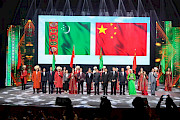
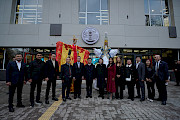
In 2025, China and Central Asian countries deepened their joint implementation of the Belt and Road Initiative, significantly advanced cooperation across all sectors, and largely completed the institutional architecture of the “China–Central Asia” mechanism. Interaction horizons broadened, and bonds of friendship strengthened. At year-end, the Europe and Asia Broadcasting Center (People’s Pictorial Publishing House) under the China International Publishing Group, the Secretariat of the China–Central Asia Mechanism, the Institute of Russian, Eastern European, and Central Asian Studies of the Chinese Academy of Social Sciences, the editorial board of The Silk Road Review, and the Center for the Study of Chinese Modernization (Kazakhstan) jointly released the list of the top ten most significant events in China–Central Asia relations in 2025.
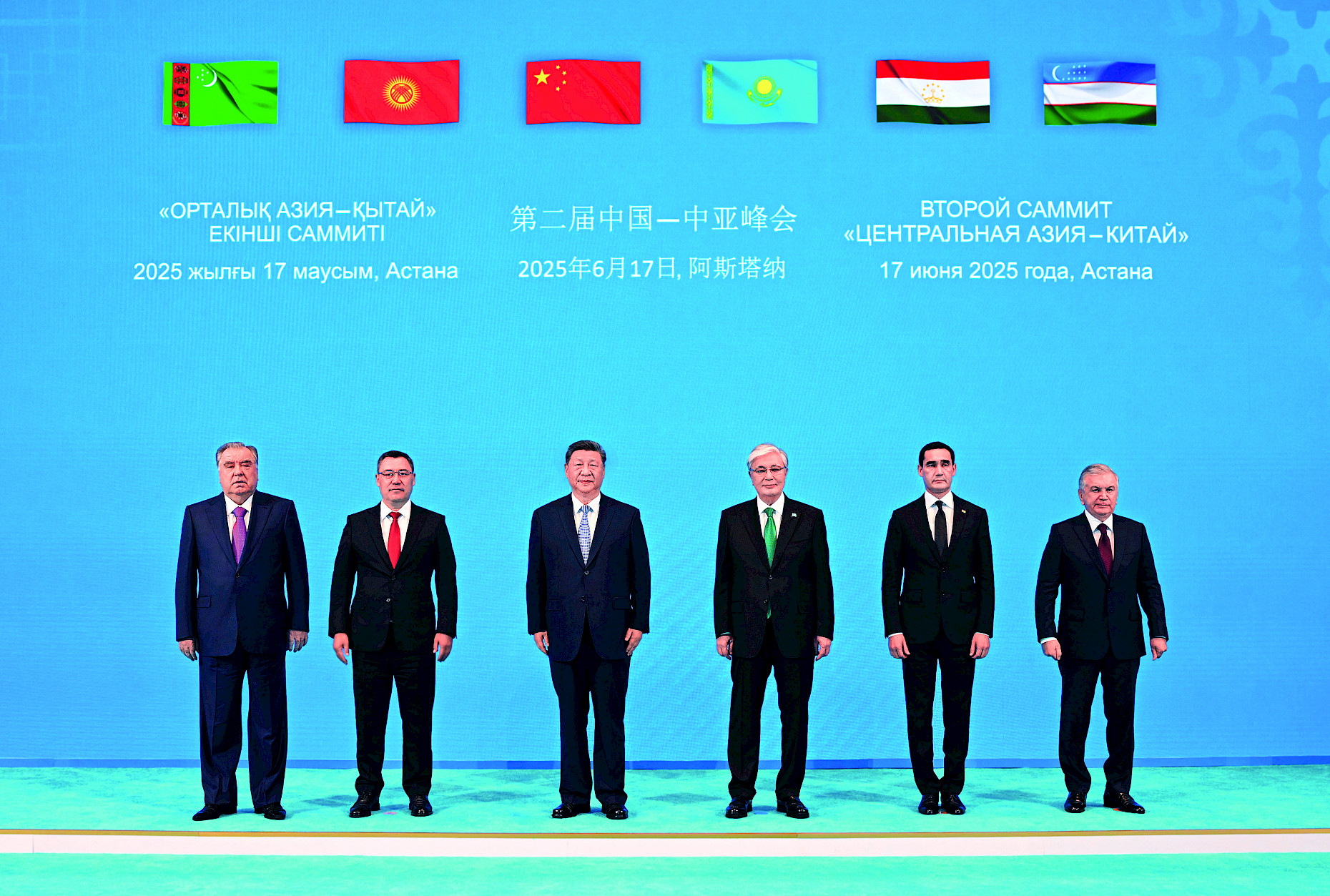
1. Second China–Central Asia Summit adopts Treaty on Eternal Good-Neighborliness, Friendship, and Cooperation
On June 17, the Second China–Central Asia Summit was held in Astana, Kazakhstan. Chinese President Xi Jinping delivered a keynote address titled “Advancing the ‘China–Central Asia Spirit’ for High-Quality Regional Cooperation.”
President Xi emphasized that China–Central Asia cooperation is rooted in over two thousand years of friendly exchanges, solidified by thirty years of solidarity and mutual trust since the establishment of diplomatic relations, and significantly propelled forward by mutually beneficial collaboration in the new era. Long-term practice has forged the “China–Central Asia Spirit”—characterized by mutual respect, trust, benefit, support, and joint modernization through high-quality development—serving as the guiding principle for sustaining centuries-old friendship and cooperation. Upholding and further developing this spirit remains a shared mission.
At the summit, President Xi Jinping and the leaders of the five Central Asian states signed the Astana Declaration of the Second China–Central Asia Summit and the Treaty on Eternal Good-Neighborliness, Friendship, and Cooperation between the People’s Republic of China and the Republic of Kazakhstan, the Kyrgyz Republic, the Republic of Tajikistan, Turkmenistan, and the Republic of Uzbekistan. The leaders also jointly announced 2025 and 2026 as the Years of High-Quality Development of China–Central Asia Cooperation.
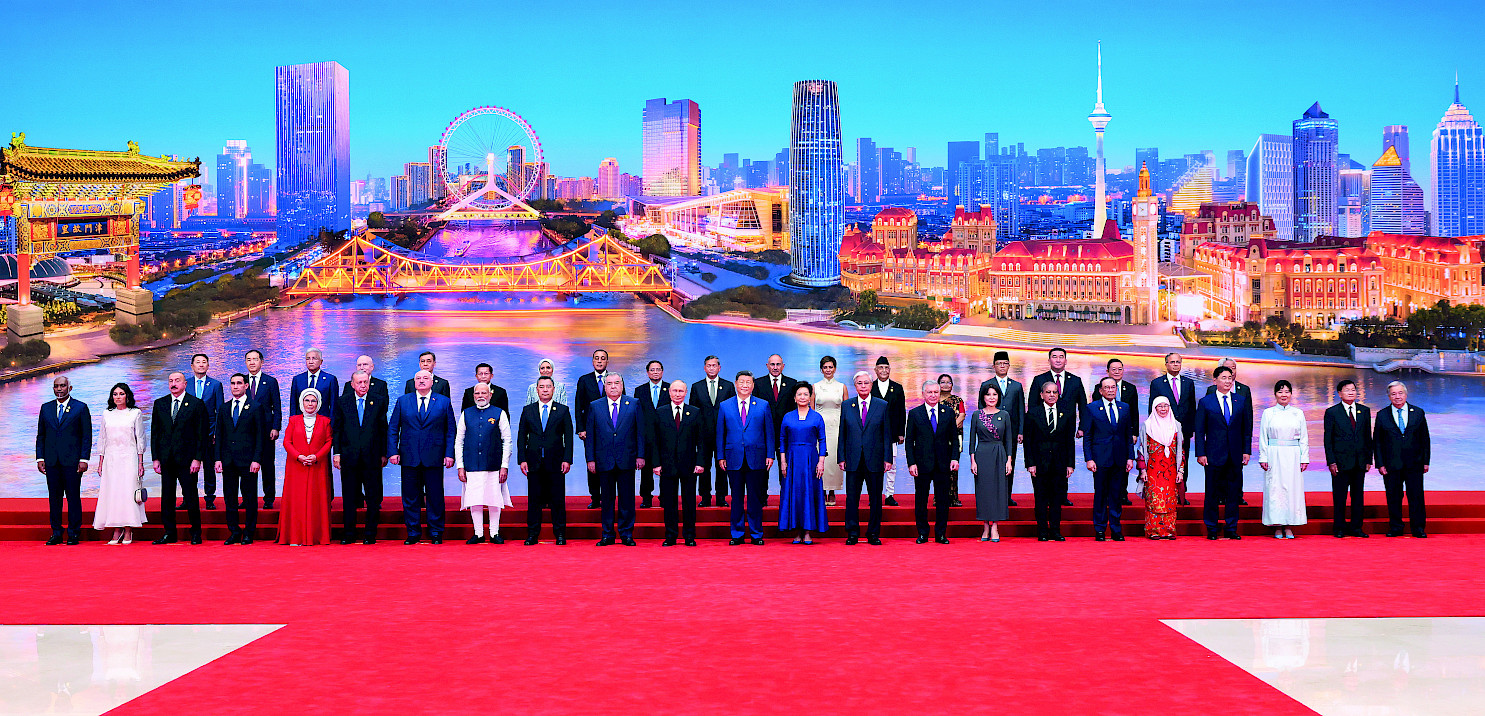
2. Central Asian leaders endorse China’s Global Governance Initiative during visit to China
From August 31 to September 3, leaders of the five Central Asian countries visited China to attend the Shanghai Cooperation Organization Summit and events commemorating the eightieth anniversary of victory in China’s War of Resistance against Japanese Aggression and the World Anti-Fascist War.
On September 1, the “SCO Plus” meeting was held in Tianjin, chaired by President Xi Jinping, who delivered an important speech titled “Uniting SCO Strength to Improve Global Governance”, launching the Global Governance Initiative.
All parties highly commended and actively supported President Xi’s initiative, noting that—in the face of growing global governance deficits, mounting sustainable development challenges, and rising unilateralism—the world urgently needs effective vision and systems. Against the backdrop of the eightieth anniversaries of the end of World War II and the founding of the United Nations, China’s initiative is both timely and critical.
Rejecting power-based dominance, the Global Governance Initiative upholds the central role of the United Nations and advocates for joint development, joint governance, and shared benefits, offering Chinese wisdom and solutions to pressing global challenges.
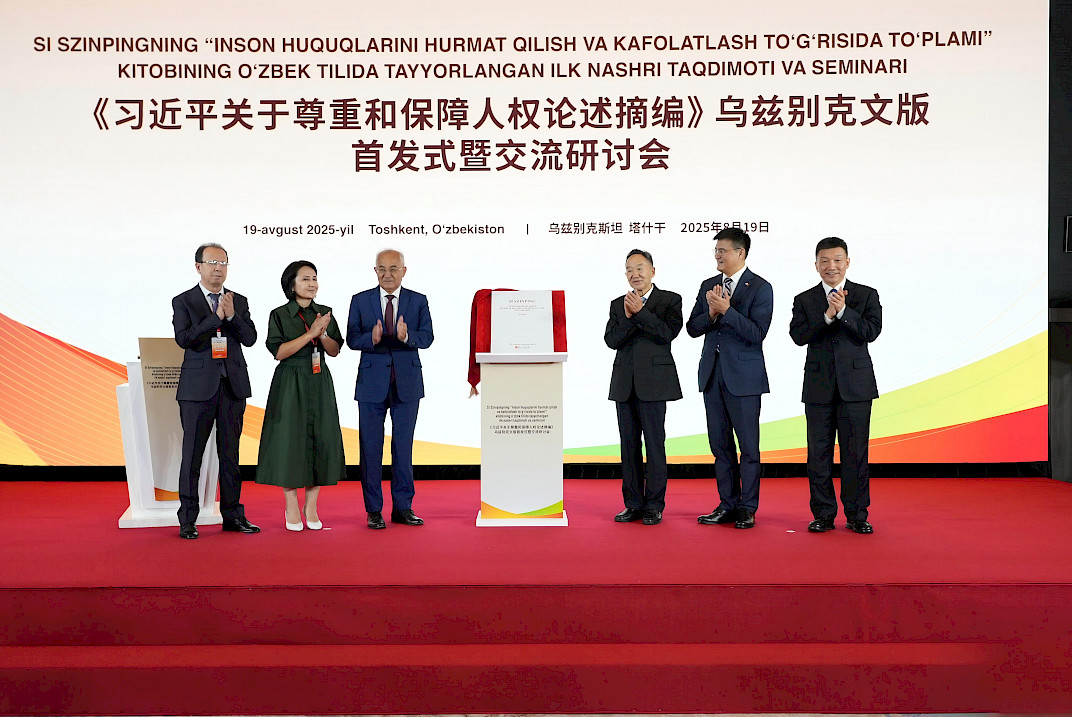
3. Launch of Xi Jinping’s works in Central Asian languages builds a bridge for ideational exchange
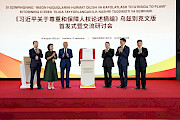
On May 29, the Kazakh-language edition of the four-volume Xi Jinping: The Governance of China was launched in Astana. On August 19, the Uzbek-language version of Xi Jinping on Respecting and Protecting Human Rights was presented and discussed at a seminar in Tashkent.
Participants highlighted that President Xi’s writings systematically reflect his thoughts on China’s domestic governance and global leadership, providing an essential window for the international community to understand China. These publications—jointly translated and published by Chinese, Kazakh, and Uzbek scholars—demonstrate concrete progress in governance experience-sharing between China and Kazakhstan, and in human rights cooperation between China and Uzbekistan. They will undoubtedly enhance mutual understanding and friendship, and provide strong impetus to building a closer China–Central Asia community with a shared future.
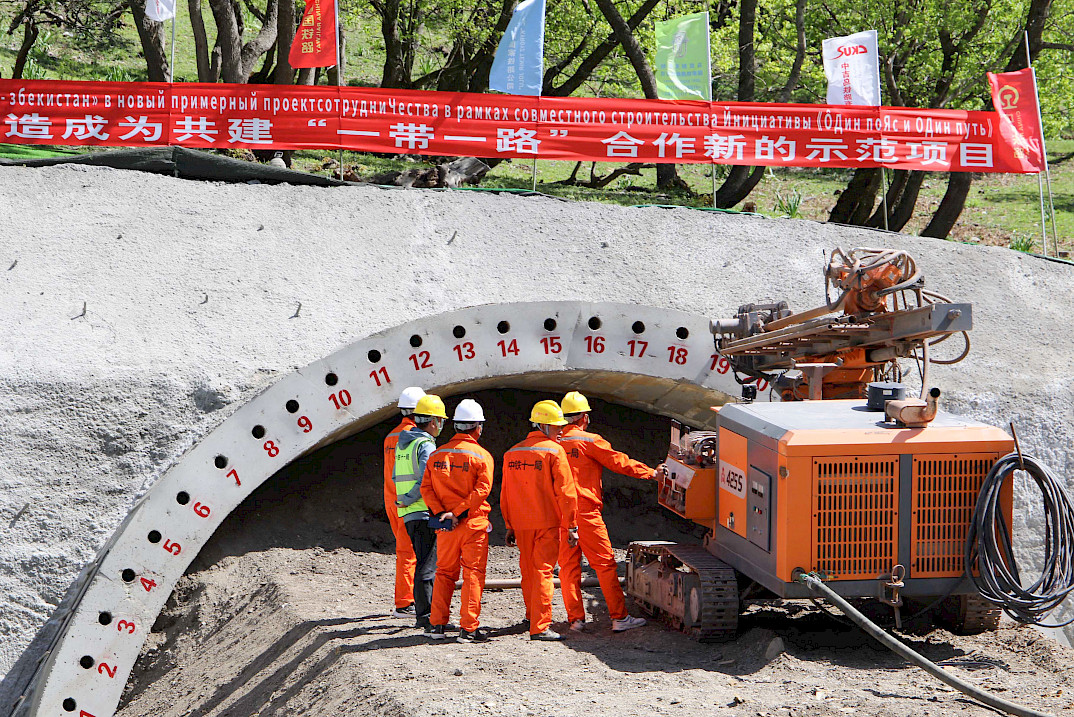
4. Construction launch of key sections of the China–Kyrgyzstan–Uzbekistan railway marks new phase in Silk Road connectivity
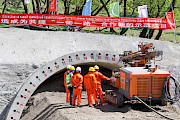
On April 29, construction officially began on the Ferghana, Naryn No. 1, and Koshtobe tunnels—critical components of the Kyrgyz section of the China–Kyrgyzstan–Uzbekistan international railway—signaling entry into the active implementation phase.
The China–Kyrgyzstan–Uzbekistan railway is a flagship Belt and Road Initiative project personally championed by the leaders of the three countries. Starting in Kashgar, Xinjiang, the line will cross into Kyrgyzstan via the Torugart Pass, pass through Jalal-Abad, and terminate in Andijan, eastern Uzbekistan. China is responsible for construction on its territory, Uzbekistan for upgrading its domestic network, and the tripartite joint venture China–Kyrgyzstan–Uzbekistan Railway Company LLC (authorized by all three governments) oversees financing, construction, and operation of the Kyrgyz segment.
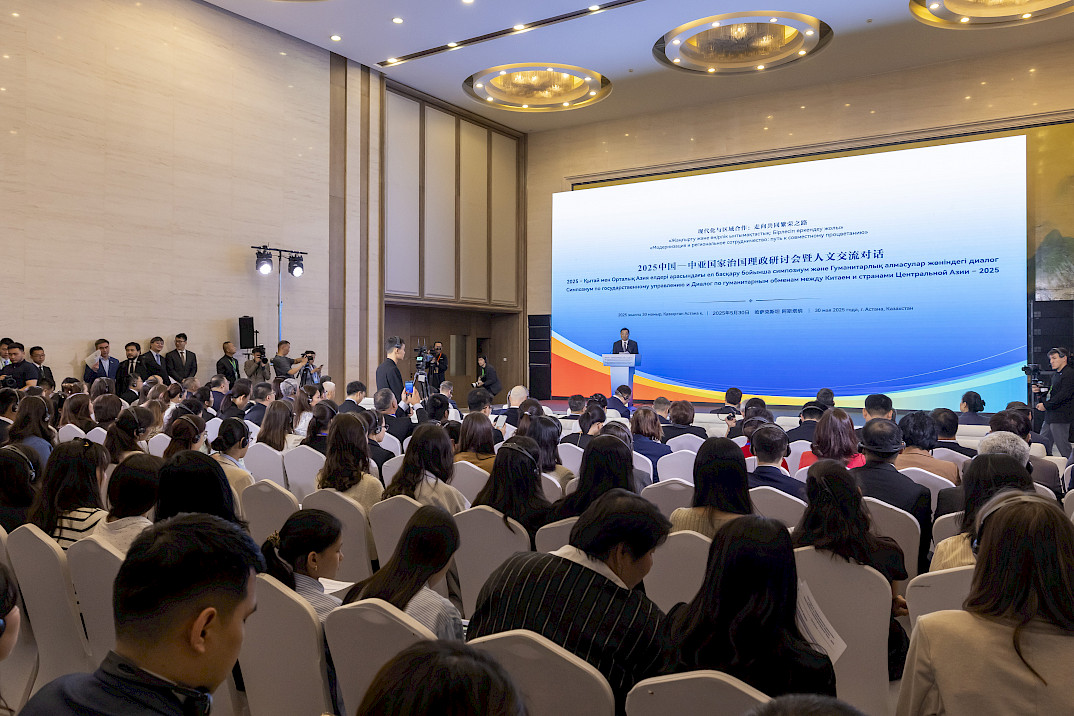
5. Thematic forums consolidate intellectual resources for joint future planning
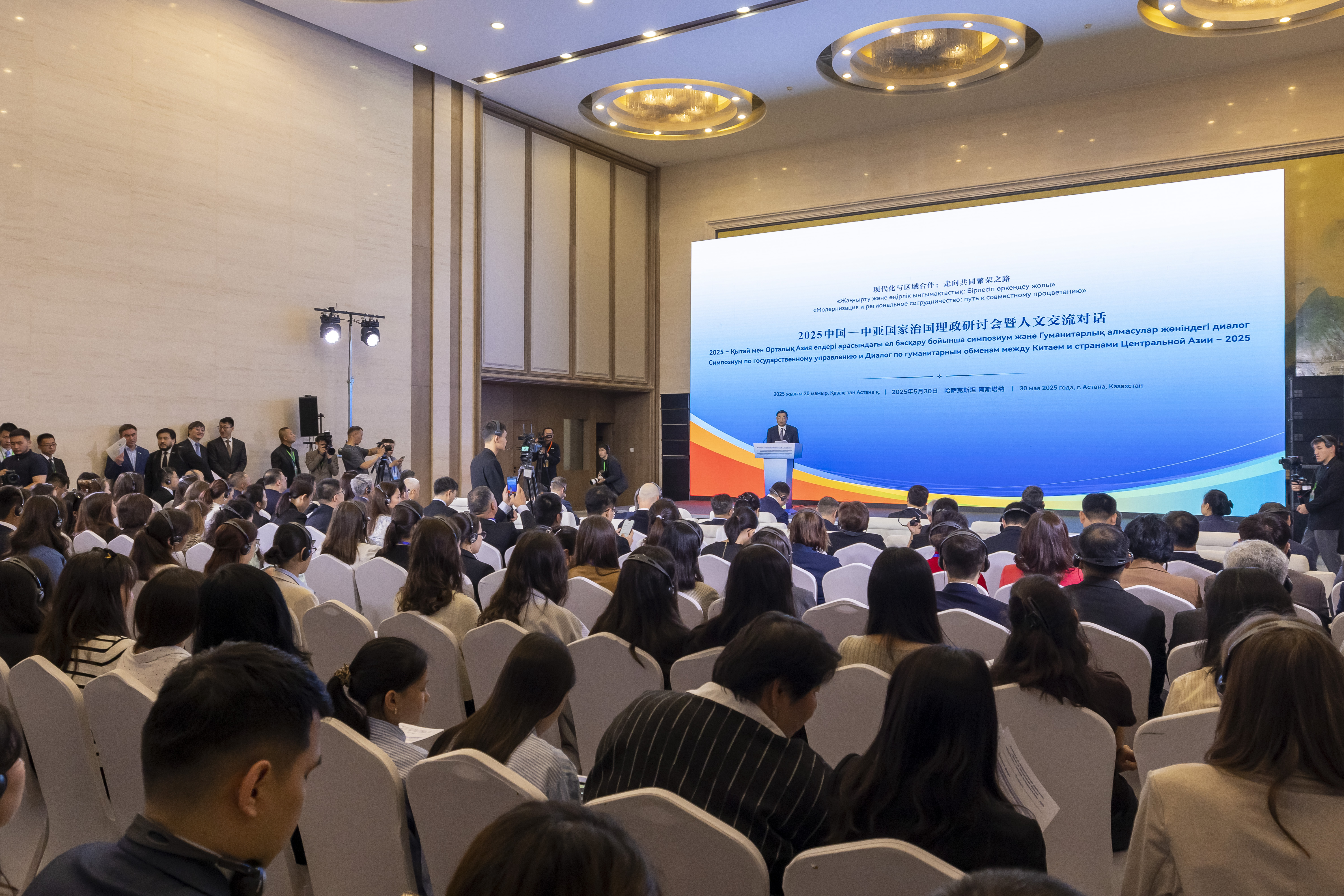
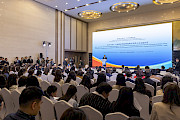
Since early 2025, major events—including the 2025 Media Forum “China and Central Asia”, Symposium on State Governance, 2025 China–Central Asia Humanities Dialogue, fifth China–Central Asia Think Tank Forum, and twelfth China–Central Asia Cooperation Forum—have been successfully held. These forums are not only scaling up but also gaining influence, becoming key platforms for jointly designing cooperation roadmaps and sharing development dividends.
Participants noted these events have injected fresh momentum into deepening practical cooperation across all fields, jointly advancing modernization, and building a more cohesive China–Central Asia community with a shared future.
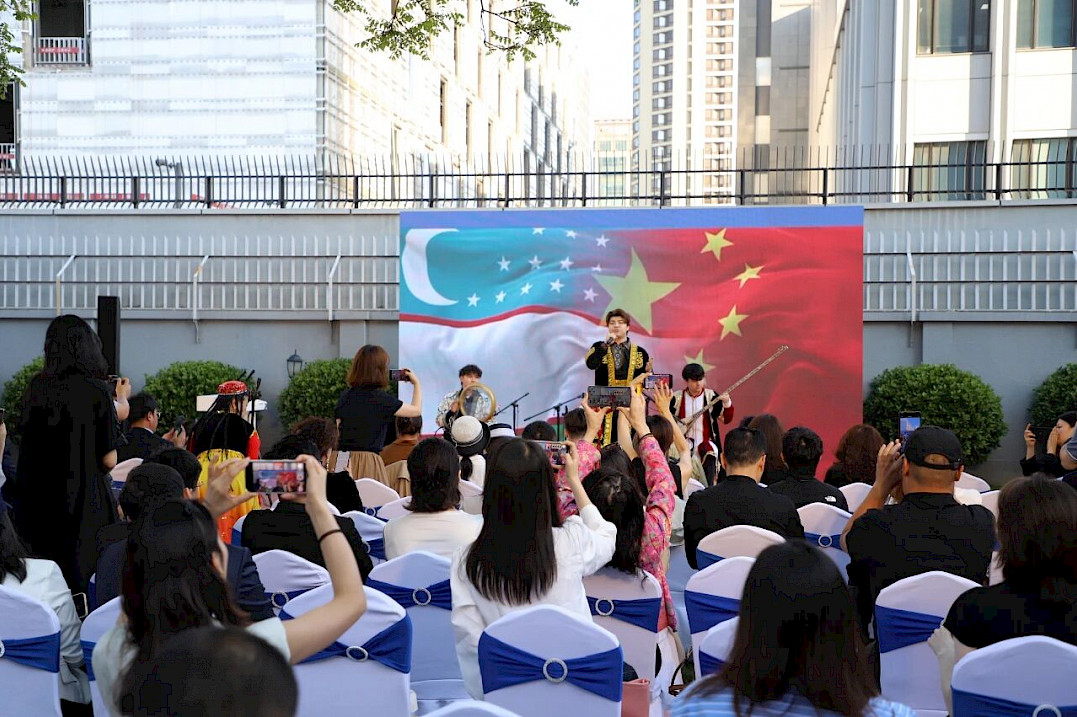
6. Passenger flows reach “new speed”: visa-free regimes foster mutual understanding and friendship
At the Second China–Central Asia Summit, a series of agreements were reached, including the Initiative on Facilitating People-to-People Exchanges under the China–Central Asia Framework, covering seven areas: consular services, connectivity, border management, tourism, cultural exchange, education, and regional cooperation. Measures include simplifying visa procedures, exploring new consulates, upgrading transport infrastructure, increasing direct flights, modernizing border checkpoints, and expanding cross-border trade zones.
On June 1, the China–Uzbekistan Agreement on Mutual Visa Exemption entered into force; on November 10, the China–Kazakhstan visa waiver agreement marked its second anniversary. In the first three quarters of 2025, travelers from Central Asia to China rose by 37.7 percent year-on-year, while Chinese visitors to Central Asia surged by 50 percent. Over one hundred direct weekly flights now connect China and Central Asia.
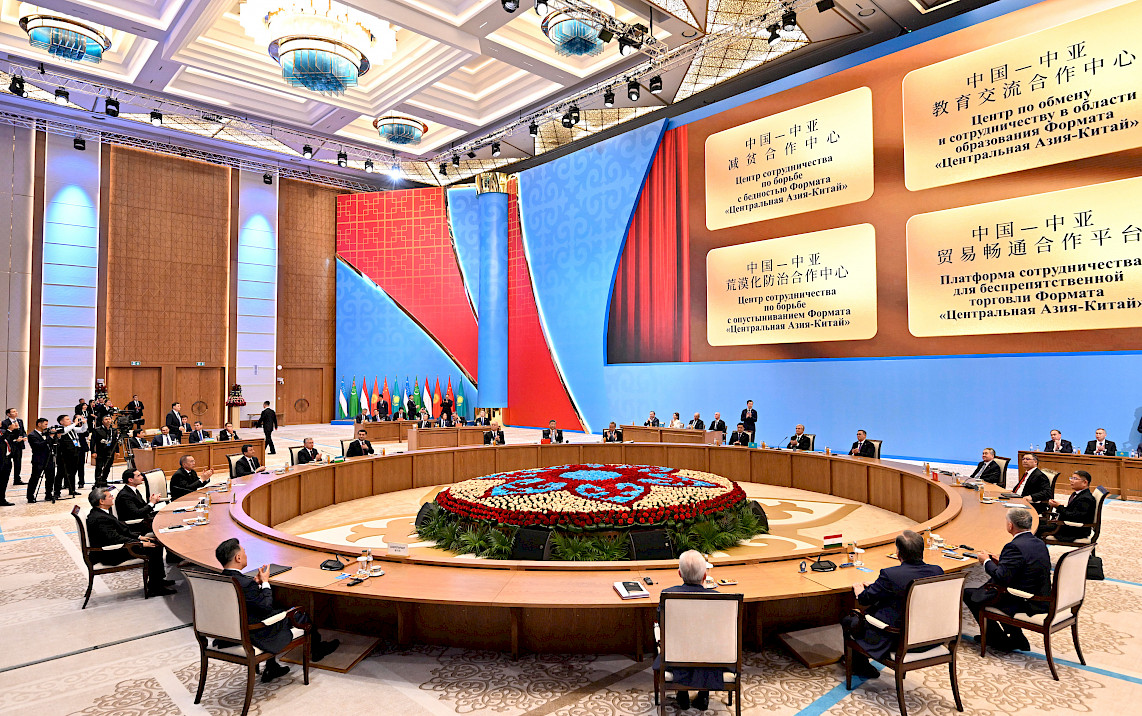
7. Launch of new China–Central Asia cooperation platforms creates innovative practical collaboration formats
On July 21, the China–Central Asia Poverty Reduction Cooperation Center and the China–Central Asia Education Exchange and Cooperation Center opened in Xinjiang’s Departments of Agriculture and Rural Affairs and Education, respectively. On July 30, the China–Central Asia Desertification Prevention and Control Cooperation Center was launched under the Ningxia Forestry and Grassland Administration. On August 5, the China–Central Asia Seamless Trade Cooperation Platform opened in Nanjing.
These centers mark a new phase in cooperation on poverty reduction, education, desertification control, and trade facilitation:
The Poverty Reduction Center will share China’s experience and help implement small-scale, high-impact projects.
The Education Center will deepen academic, scientific, and talent exchanges and co-develop a new higher education cooperation model.
The Desertification Control Center will establish six demonstration bases focusing on sand-tolerant agriculture, plant breeding, and land rehabilitation.
The Seamless Trade Platform will promote trade, industrial coordination, vocational education exports, and cultural dissemination.
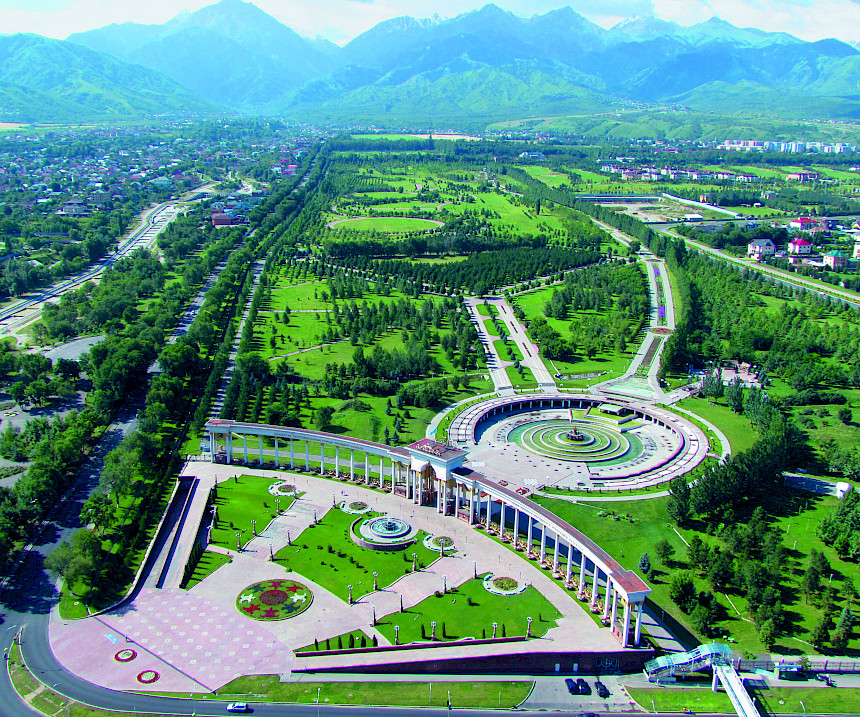
8. Twinning of over one hundred cities strengthens friendship ties
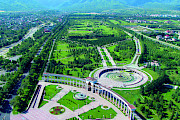
At the Second Summit, Shanghai (China) and Almaty (Kazakhstan) signed a sister-city agreement, raising the total number of China–Central Asia sister-city pairs to over one hundred.
Shanghai, born by the sea, and Almaty, nestled at the foot of mountains, now “shake hands” across the Silk Road, symbolizing centuries-old friendship. With complementary strengths and locations, the two cities plan cooperation in trade, science, education, culture, health, tourism, and human resource exchange. A direct flight launched in July has already become a new bridge for trade and cultural engagement.
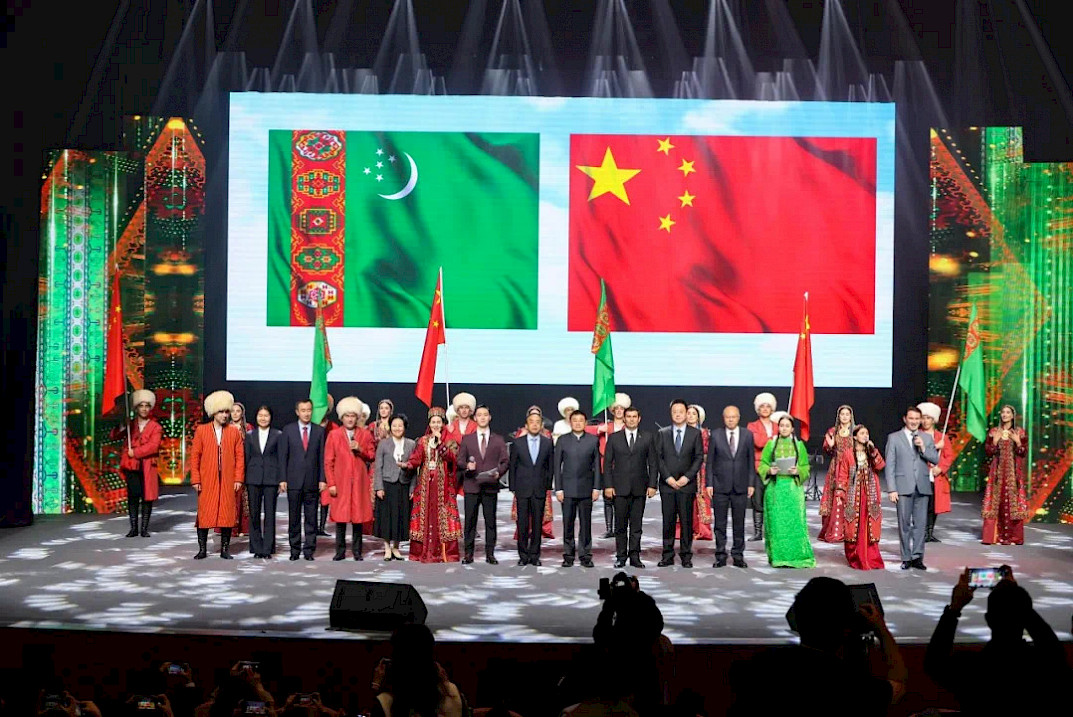
9. Cross-Year of Culture and Tourism opens new chapter in Silk Road civilizational dialogue
On June 6, a gala concert at the China National Opera House marked the closing of the Year of Turkmen Culture in China, featuring performances by artists and students from the Chamber Orchestra of the Turkmen National Conservatory. Since 2023, bilateral cultural years have hosted numerous beloved events.
On June 16, the Year of Chinese Tourism in Kazakhstan opened at the National Museum of the Republic of Kazakhstan in Astana, accompanied by the exhibition “Silk and the Silk Road: From China to Kazakhstan,” Hanfu fashion shows, intangible cultural heritage workshops, and performances. The China National Silk Museum signed a cooperation memorandum with Kazakhstan’s National Museum.
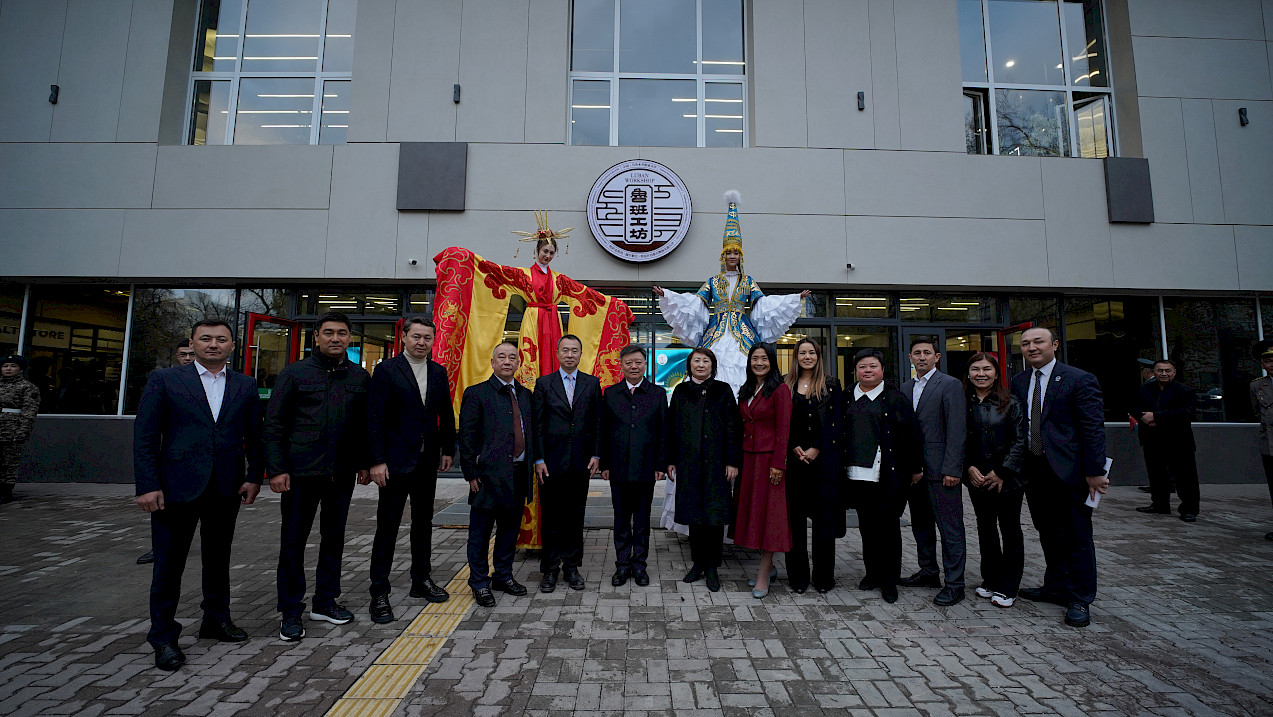
10. Two new “Lu Ban Workshops” boost vocational education and smart manufacturing
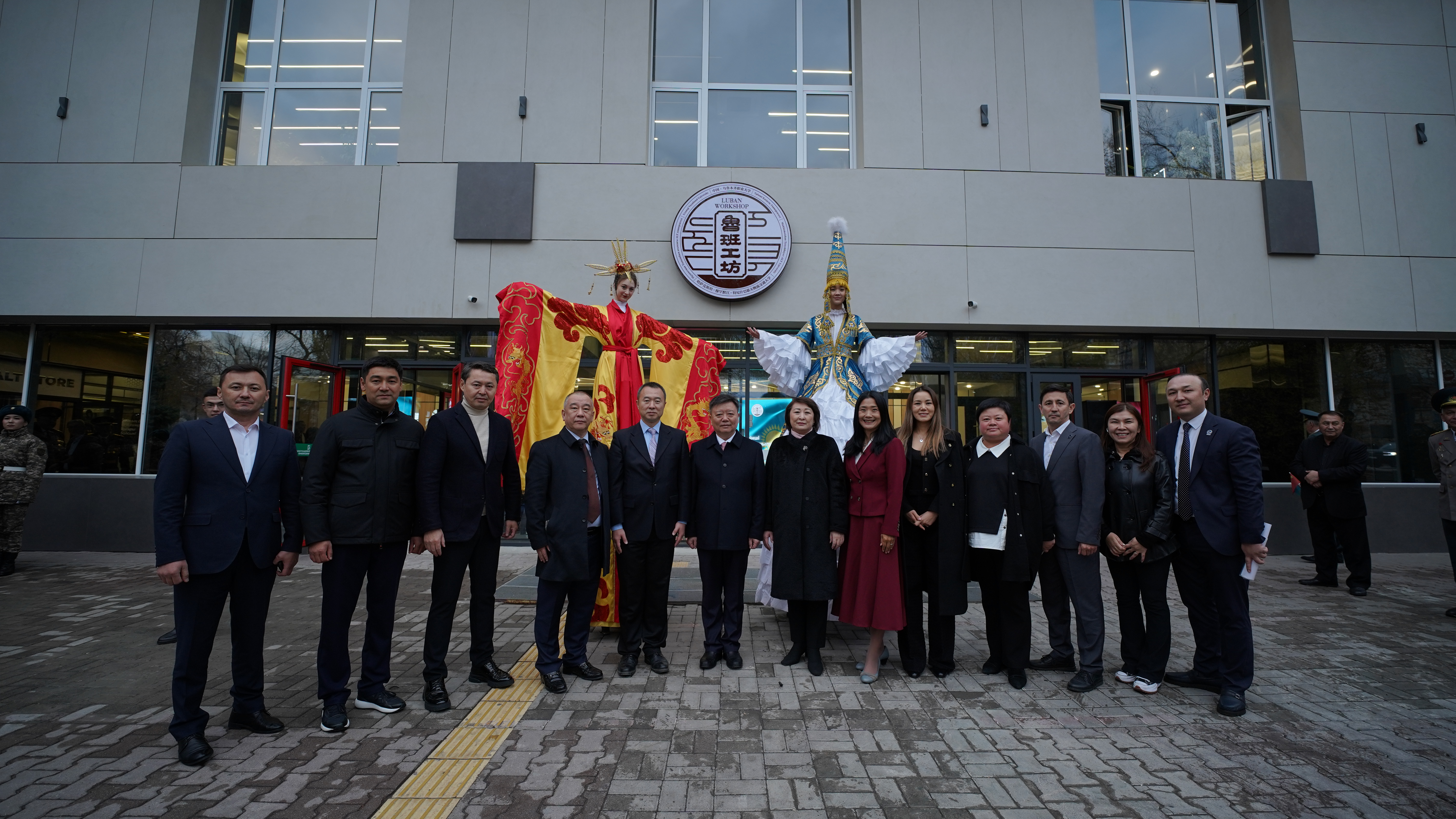
In early September, the second Lu Ban Workshop in Kazakhstan opened—jointly established by Tianjin Vocational Institute and L.N. Gumilyov Eurasian National University—to train students in AI integration with industrial internet and multi-skilled smart manufacturing.
The third Lu Ban Workshop in Kazakhstan launched on November 1, co-founded by Urumqi Vocational University and ALT University, focusing on industrial robotics and serving as a key platform for high-end talent development.
With six Lu Ban Workshops now operational across Central Asia, the initiative not only transfers technology and builds local technical capacity but also promotes Chinese vocational standards, equipment, and curricula within Shanghai Cooperation Organization member states.
Photos provided by Xinhua News Agency, Chinese Consulate General in Almaty, Press Service of Almaty Akimat, People’s Pictorial Publishing House, and Shaanxi Provincial Department of Culture and Tourism.
CentralasianLIGHT.org
December 26, 2025