

Exports to Central Asia and new demand from Iran provide more opportunities in western Chinese border city of Khorgos
A family wedding that took me back to western China’s Xinjiang Uygur autonomous region early this month gave me another opportunity to visit Khorgos, a border city I have known since childhood.
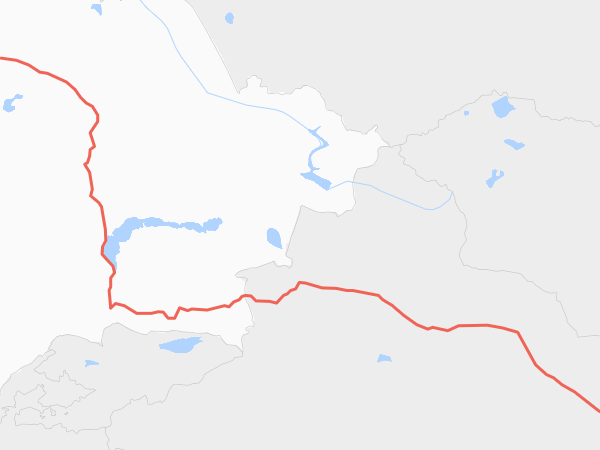
On China’s border with Kazakhstan, Khorgos – also spelled Korgas – used to be a relatively underdeveloped town, and one I visited frequently while growing up in the Ili region. Today, it has become Xinjiang’s busiest land port by cargo volume and a major gateway for Chinese goods heading towards Central Asia and Europe.
According to customs data, the port handled 46.43 million tonnes (51.18 million short tons) of imports and exports last year, ranking first among Xinjiang’s border crossings for the eighth consecutive year.
It was my second visit this year. The first, during February’s Lunar New Year holiday, saw border facilities surrounded by snow, with long queues of new and second-hand Chinese electric vehicles waiting to be exported amid the holiday slowdown.
I was struck by how dramatically the once-rundown border town had changed, with modern customs facilities and newly built roads and warehouses replacing much of what I remembered.
But when I returned on November 6, barely nine months later, the transformation was even more striking. More high-rise buildings and warehouses had appeared, while young people living in Ili Kazakh autonomous prefecture increasingly spoke of heading to the border to find jobs or start businesses.
A friend working in freight forwarding, who handles road-borne shipments to the five Central Asian countries – Kazakhstan, Kyrgyzstan, Tajikistan, Turkmenistan and Uzbekistan – plus Iran and Eastern Europe, offered to show me around.
He told me his business with Iran had been particularly strong, with shipments moving through Uzbekistan and Turkmenistan before reaching the Iranian border.
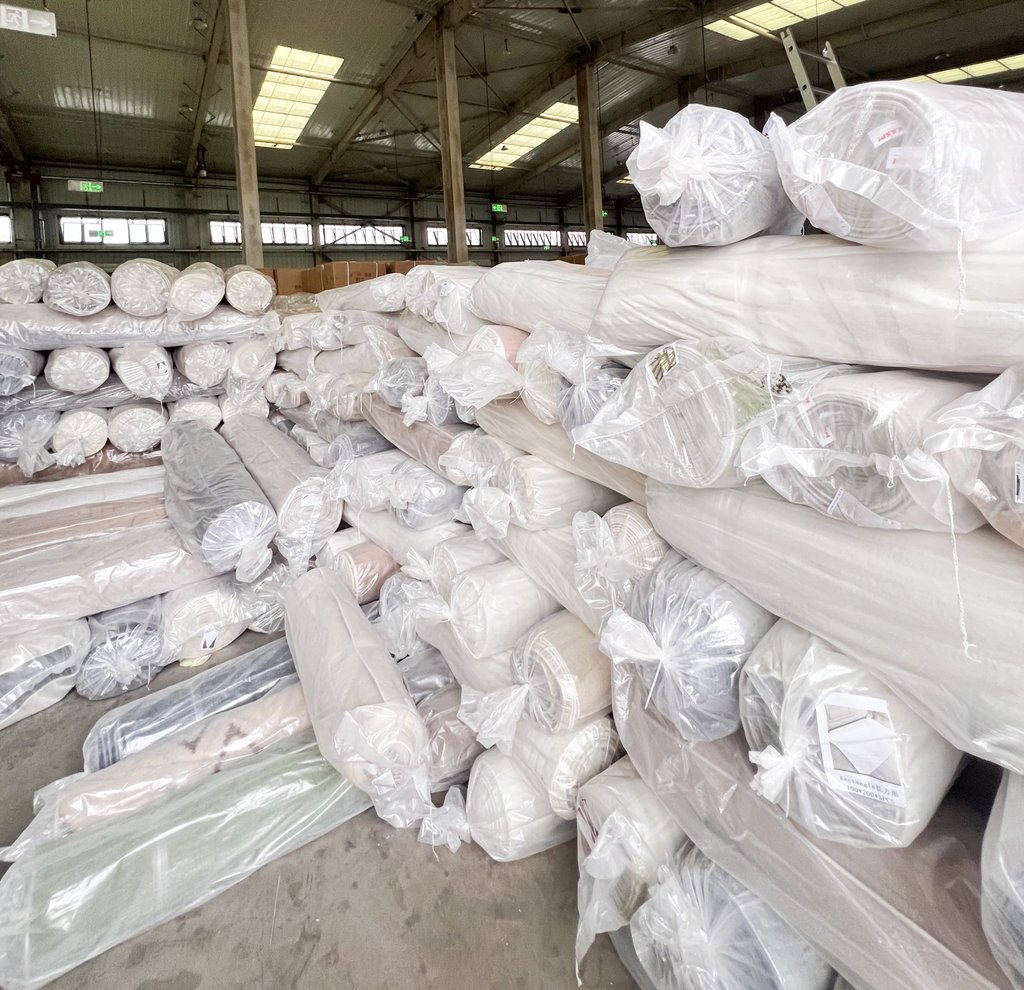
At one warehouse, I found piles of goods destined for Iran, including clothing, furniture, televisions and audio equipment. What surprised me most were the carpets, stacked in enormous quantities and sourced partly from China’s eastern manufacturing hubs, including Zhejiang province.
My friend explained that demand for household goods had increased as Iranian families sought to replace belongings lost during war launched in February by the United States and Israel. He said carpets were particularly important in Iranian homes, much as they were in many households in Xinjiang.
Another striking sight was the number of generators. They occupied so much warehouse space that some had to be stored outside.
My friend said damage to Iran’s electricity infrastructure had fuelled demand for backup power supplies. He declined to disclose his sales figures for commercial reasons, but did say his fleet of trucks had expanded rapidly.
National trade figures offer a more complicated picture. China’s exports to Iran remain sharply lower year on year, but recorded month-on-month rebounds of about 55 per cent in April, 47 per cent in May and 80 per cent in July.
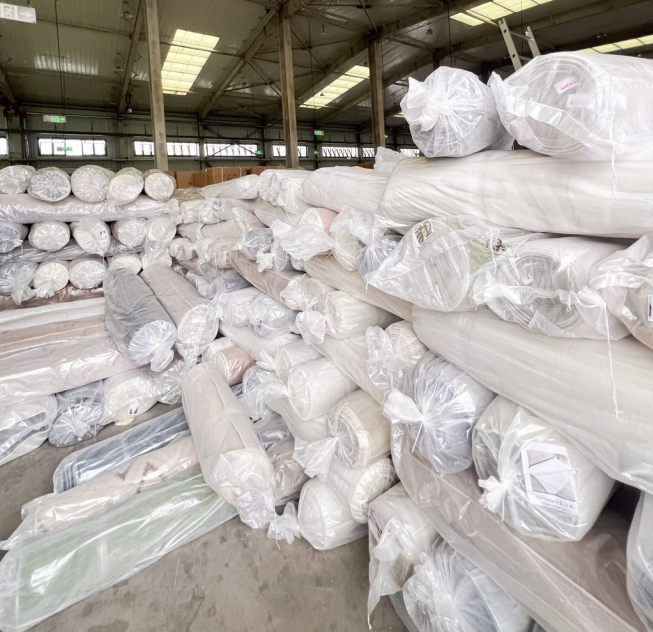
A warehouse in Khorgos full of carpets. Photo: Mia Nurmamat
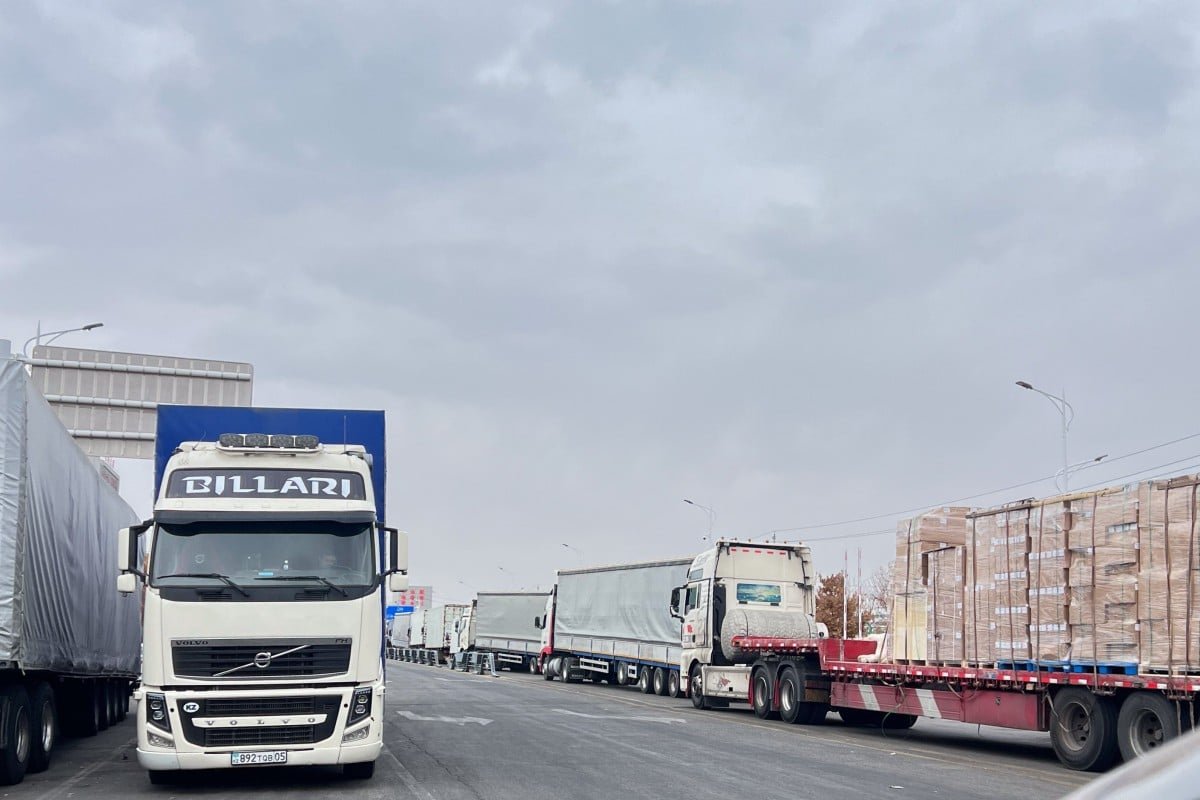
The pressure on transport capacity was also visible outside the warehouses.
We had planned to visit the border’s duty-free shopping area, but after spending nearly 30 minutes in traffic surrounded by trucks, we abandoned the attempt.
I noticed numerous vehicles bearing Turkmenistani and Kazakh number plates, with more than a third of those around us appearing to be from Turkmenistan.
My friend said many were carrying goods ultimately bound for Iran.
He also described growing interest from manufacturers in China’s coastal provinces, some of whom were looking for warehouse space as China-Europe freight trains became expensive and capacity was booked well in advance. We met a businessman from Jiangsu province who was exploring sites for new warehouses.
What struck me most was how quickly international trade could reshape a local economy. Within months, new buildings had appeared, logistics businesses were expanding, and opportunities were drawing young people towards a border town that once offered relatively few prospects.
For centuries, the ancient Silk Road connected China with Central Asia and markets further west. Today, amid geopolitical conflicts and disruptions to established shipping routes, some of those overland connections are finding renewed commercial importance.
In Khorgos, that revival is visible in the trucks, warehouses and people building their livelihoods around the border.
Author: Mia Nurmamat
Source: https://www.scmp.com/economy/china-economy/article/3375254/
CentralasianLIGJT.org
November 28, 2026