
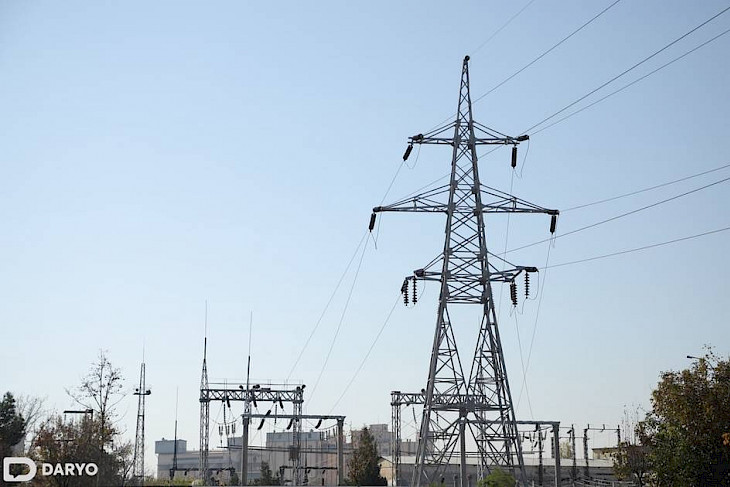
Amidst abnormally high temperatures worldwide, Uzbekistan has set a new summer electricity consumption record. According to the Ministry of Energy of Uzbekistan, on July 13, daily electricity generation in the country's Unified Energy System reached 281.5 million kWh, while consumption was 278.6 million kWh, Daryo.uz reports.
This new figure exceeds the previous summer record, set in July 2025, by 6 million kWh, or 2.2%. The Ministry of Energy reported that energy companies have switched to enhanced operation, and emergency services are working around the clock to ensure a stable power supply.
Analytical Commentary
This new electricity consumption record highlights the growing strain on Uzbekistan's energy system amid climate change, population growth, and accelerated industrial development. Summer heat traditionally leads to increased use of air conditioners and cooling systems, but in recent years, peak loads have become more frequent, requiring the expansion of energy capacity.
Energy sustainability is of strategic importance for Uzbekistan, as the country is the largest electricity consumer in Central Asia. Unlike Kazakhstan, which has significant coal reserves and a larger energy base, and Turkmenistan, which has abundant natural gas resources, Uzbekistan faces the need to modernize existing power plants and expand new energy sources.
Neighboring countries are also facing similar challenges. In Kazakhstan, the main problem during the winter is capacity shortages and deteriorating infrastructure, necessitating the construction of new generation facilities. Kyrgyzstan relies on hydropower, so its energy stability is closely tied to reservoir water levels. Tajikistan also faces seasonal limitations due to its dependence on hydropower.
Against this backdrop, Uzbekistan is actively developing solar and wind energy, attracting foreign investors, and modernizing its grid. However, further economic growth will require accelerated generation growth, improved energy efficiency, and the development of regional energy cooperation in Central Asia.
CentralasianLIGHT.org
July 14, 2026