
From January to August 2026, consumer prices in Kyrgyzstan increased by 7.6% compared to December of the previous year. According to official data from the National Statistical Committee of Kyrgyzstan, inflationary pressure has affected absolutely all key sectors of the economy, Economist.kg reported.
The largest contribution to the price increase was made by higher tariffs for services, which rose by 11.4%. Prices for alcoholic beverages and tobacco products increased by 7.7%, food and soft drinks by 6.4%, and non-food items by 6.1%.
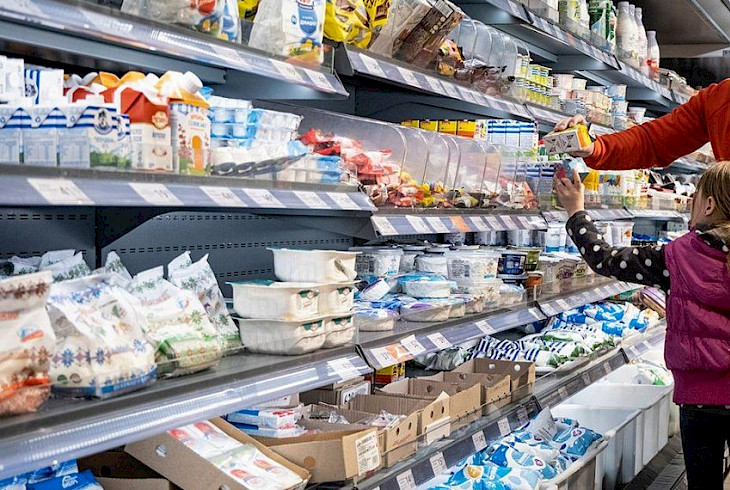
In the food sector, the most significant increase affected the basic basket: fresh meat, chicken eggs, fresh fruit, fish, dairy products, sugar, and flour. The only restraining factor was the seasonal decline in prices for fresh vegetables, rice, potatoes, and draft milk. Price increases were recorded in all regions of the republic, with the highest rate recorded in the Osh region.
The acceleration of inflation to 7.6% in just eight months underscores the critical need for strict price control by the state. First and foremost, maintaining price controls is directly linked to protecting the purchasing power of the population, as food and utilities account for the bulk of household expenditure in Kyrgyzstan, and their price increases hit socially vulnerable groups the hardest.
Secondly, containing inflation is vital for business and the overall investment climate. High price volatility complicates long-term financial planning for entrepreneurs and devalues capital investments in the national economy.
Finally, the 11.4% jump in utility tariffs creates a dangerous multiplier effect, as rising logistics and maintenance costs are automatically factored into the cost of all other goods. Without timely monetary and antitrust measures, the country risks entering a persistent inflationary spiral.
CentralasianLIGHT.org
September 14, 2026