
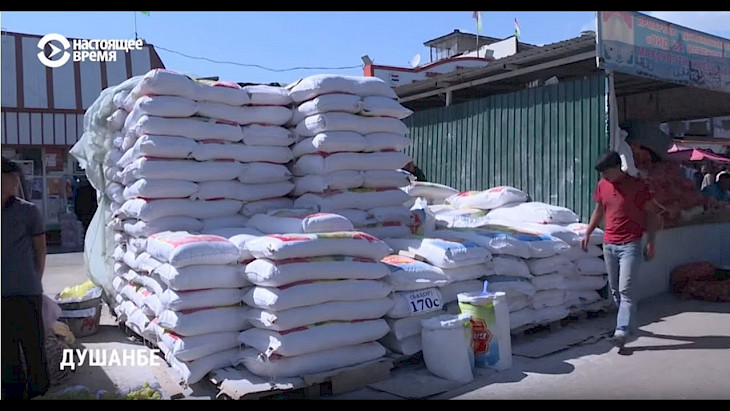
In the first half of 2026, Tajikistan imported 35,400 tons of flour worth $11.3 million, a 45.2% increase compared to the same period last year, according to information from the Antimonopoly Service under the Government, as reported by Avesta.tj.
The average cost of imported flour was approximately $320 per ton. At the same time, domestic production also increased: from January to June, 399,400 tons of flour were produced in the country, a 31.6% increase compared to the previous year. Nineteen companies operate in the import market, with the largest suppliers being Sahad LLC and Touch Tour LLC, accounting for over 70% of the total supply.
Analytical Commentary
The growth of flour imports in Tajikistan reflects several important trends in the country's agricultural sector. Despite increasing domestic production, the domestic market continues to experience a need for additional food raw materials due to population growth, increased consumption, and the need to maintain stable stocks of staple foods.
This situation is particularly significant given the unusually high temperatures expected in Central Asia in the summer of 2026. Hot weather and potential water shortages could put pressure on grain harvests, especially in countries where agriculture relies heavily on irrigation. In Tajikistan, where a significant portion of agricultural production relies on limited water resources, climate risks could lead to increased dependence on food imports.
In a regional comparison, the situation differs. Kazakhstan remains the main grain producer in Central Asia and one of the largest wheat exporters, allowing it to play a key role in supplying flour to neighboring countries.
Uzbekistan, despite developing its own grain and flour production, also maintains a need for imports due to high domestic demand and population growth.
Kyrgyzstan traditionally relies on grain and flour supplies from Kazakhstan, as domestic production does not fully cover market needs. Turkmenistan maintains a higher level of self-sufficiency in grain thanks to state agricultural support programs.
In the short term, Tajikistan will likely continue to increase its purchases of flour and grain to stabilize prices and maintain food security.
In the long term, the country will need to modernize its agricultural sector, develop sustainable irrigation systems, introduce drought-resistant grain varieties, and expand domestic production. Against the backdrop of climate change, food security is becoming a key economic issue for the entire Central Asian region.
CentralasianLIGHT.org
July 16, 2026