
Tajikistan's state budget revenues in 2027 are projected to be 80.1 billion somoni (approximately $8.7 billion), an increase of 15.1 billion somoni, or 23.2%, compared to the target approved for 2026, Avesta.tj reported.
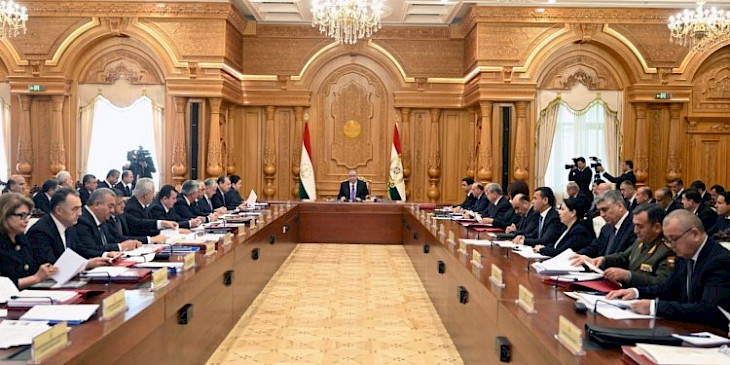
The draft of the country's main financial document for 2027, as well as the medium-term forecast for 2028–2029, were reviewed on October 29, 2026, at a government meeting chaired by President Emomali Rahmon, according to the presidential press service.
According to the presented calculations, a significant increase in budget revenues is based on the projected growth dynamics of key sectors of the national economy and the expansion of the tax base.
The social sector remains a key budget priority: 36.7 billion somoni ($3.99 billion) is planned for its funding in 2027, accounting for 44.8% of total government spending.
According to medium-term budget targets, the republic's budget revenues are expected to increase to 90.2 billion somoni ($9.8 billion) in 2028 and reach 104.6 billion somoni ($11.36 billion) in 2029, representing a steady increase in government funding.
The annual double-digit revenue growth projected in the draft state budget for 2027–2029 reflects Dushanbe's commitment to accelerated industrialization and the development of the region's hydropower potential.
A quarter-growth in the budget in just one year indicates expectations of regular dividends from the commissioned capacity of the Rogun Hydroelectric Power Plant, active electricity exports, and expansion of the mining sector, as well as increased efficiency in tax administration.
The allocation of approximately 45% of budget funds to social programs underscores the authorities' commitment to converting macroeconomic growth into poverty reduction, increased real incomes, and human capital development.
At the same time, the successful implementation of the three-year budget plan will depend on the external economic environment, the stability of the national currency, and the state's ability to mitigate inflation risks while maintaining a high share of social obligations.
CentralasianLIGHT.org
October 30, 2026