
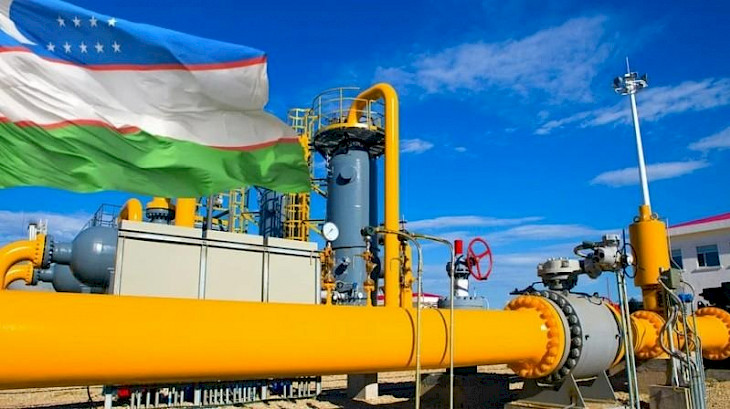
In January-May 2026, Uzbekistan imported $724.7 million worth of natural gas, according to data from the country's National Statistics Committee. This represents an 84.1% increase compared to the same period last year, when imports totaled $393.6 million, Gazeta.uz reports.
The updated data from the National Statistics Committee also adjusted the previously published estimate of gas imports for January-May 2025: initially, the figure was $285.5 million, but was later revised upward by $108.1 million to $393.6 million. This brings the statistics in line with updated data on foreign trade transactions.
This year, the highest import volume occurred in May 2026 – $216.4 million, marking the highest monthly value since the beginning of the year. This reflects the seasonal increase in demand for natural gas and increased purchases during peak load periods on the energy system.
At the same time, Uzbekistan reduced its natural gas exports to $202.9 million, a 29.5% decrease from the previous year. China remains the main external destination, but the volume of supplies there also fell almost by half compared to the same period in 2025.
The increase in imports and the decline in exports are occurring amid structural changes in the country's energy balance. Experts cite the main reason for the increase in gas purchases as rising domestic consumption during the seasonal peak, associated with providing electricity and heating during the colder months, and the increased load on gas-fired generation during the summer due to air conditioning and water supply. Limited production at older fields and the need to reallocate resources between the domestic market and export contracts are additional factors.
In recent years, the country's energy system has been facing a growing imbalance between production and consumption. On the one hand, domestic demand is growing faster than the expansion of production capacity. On the other hand, export obligations and pricing conditions limit supply flexibility, leading to fluctuations in foreign gas trade volumes.
A distinct discrepancy remains between Uzbekistan and China's statistics on export volumes. In 2025, the difference reached $144.5 million, while in 2026, conversely, Uzbek statistics recorded higher figures than Chinese ones, by $63.3 million. This may be explained by differences in accounting methodology, timing of supply recording, and transit operations.
Overall, the current dynamics reflect growing pressure on Uzbekistan's energy sector, which is simultaneously forced to compensate for domestic shortages and maintain its export position in foreign markets.
CentralasianLIGHT.org
July 3, 2026