
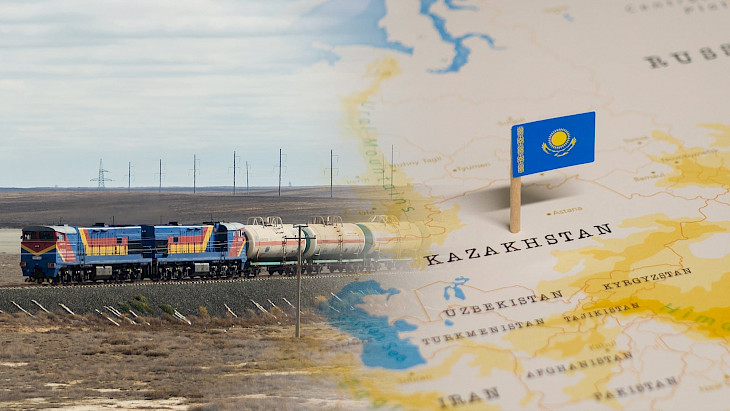
Kazakhstan's Ministry of Energy, together with JSC NC KazMunayGas, is developing a strategy to enter the Central Asian petroleum products market. By implementing investment projects to expand the capacity of the Shymkent and Pavlodar refineries, the country hopes to eliminate the shortage of light petroleum products in the domestic market and create export potential of up to 1.5-2 million tons of gasoline and diesel fuel per year, Inbusiness.kz reported.
Concurrently, Kazakhstan and Russia have resumed indicative balances and a duty-free fuel import regime for 2026 (resulting in savings of approximately $66.6 million), allowing Kazakhstan to accumulate its own reserves and prepare the logistics infrastructure for future deliveries to its regional neighbors—Uzbekistan, Kyrgyzstan, and Tajikistan.
Astana's announcement of plans for regular fuel and lubricant exports to Central Asia marks a fundamental shift in the region's energy landscape:
Reduced Dependence on External Shocks: Kyrgyzstan, Uzbekistan, and Tajikistan are currently heavily dependent on the dynamics of the Russian fuel market. The emergence of a second major regional supplier, Kazakhstan, will reduce logistics costs and protect importers from sharp price fluctuations.
Transformation of Kazakhstan's Role: Astana's transition from periodic bans on fuel and lubricant exports to a systemic role as a fuel donor strengthens its position as the economic and energy core of Central Asia.
Regional Integration: The project creates the material basis for the formation of a common energy market for Central Asian countries, where Kazakhstan's refining will meet the growing needs of the growing populations and industries of neighboring countries.
CentralasianLIGHT.org
October 7, 2026