
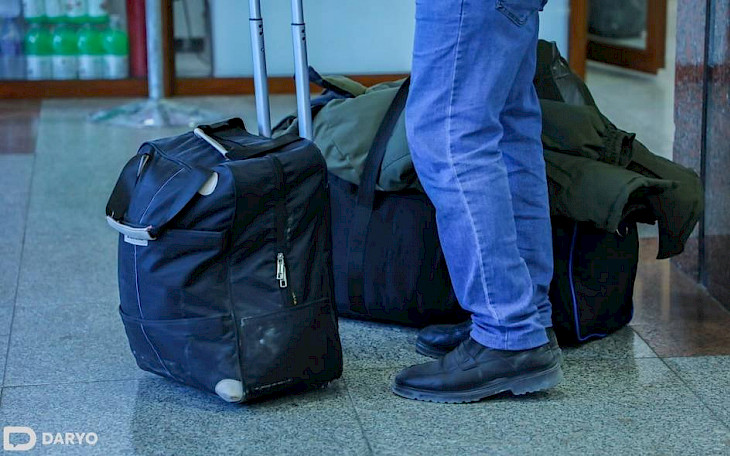
From August 25 to September 5, 96,415 Uzbek citizens returned to Uzbekistan from Russia, according to the Uzbek Migration Agency. Of these, 54,885 arrived directly from Russia, while another 41,530 returned via Kazakhstan, Daryo.uz reported.
Over the course of ten days, the Agency received 6,413 requests from Uzbek citizens in Russia, approximately 5,500 of whom received practical assistance.
The Agency focused primarily on legal and labor issues. 2,681 citizens received legal assistance, 726 received certificates of return, and 272 received employment assistance.
Furthermore, financial assistance was provided, wage arrears were collected, and other forms of support were provided. The Agency also held negotiations with 20 major Russian employers, resulting in the creation of over 2,500 jobs.
The scale of the return of citizens has significant socioeconomic significance for Uzbekistan. Labor migration to Russia has remained a significant source of income for Uzbek families for many years, so any significant change in migration flows directly impacts employment, income, and remittances.
At the same time, the Agency's actions demonstrate that Tashkent is striving to move from a passive response to migrants' problems to a more systemic policy. A combination of legal protection, assistance with return, and the search for new jobs helps mitigate the impact of forced return.
Cooperation with Russian employers is particularly indicative: the creation of thousands of vacancies means that the return of migrants is viewed not only as a problem but also as an opportunity to partially utilize their experience within the country. In the long term, it is important for Uzbekistan to create more competitively paid jobs within the country, gradually reducing its excessive dependence on external labor migration.
CentralasianLIGHT.org
September 10, 2026